
Dubai Mainland vs Free Zone: How to Choose the Right Business Setup
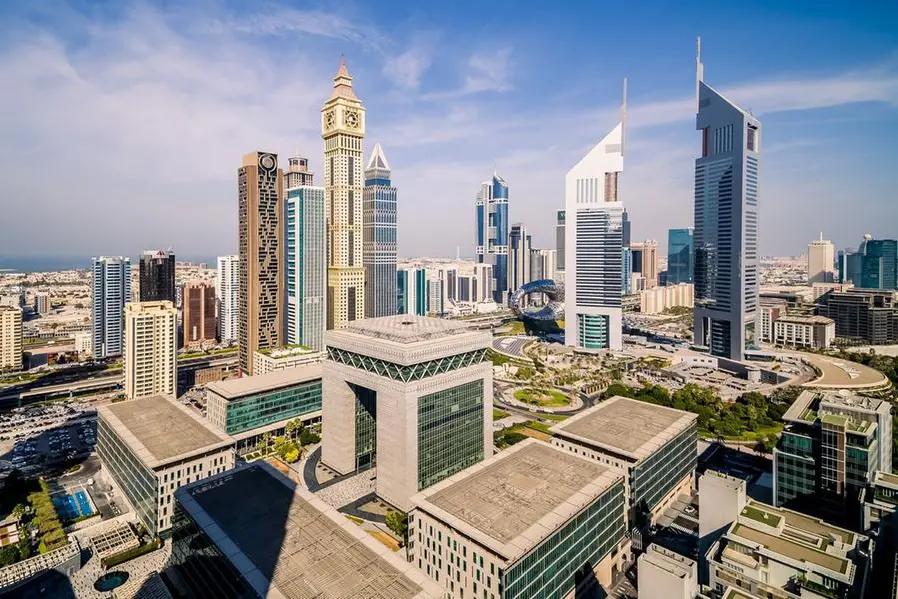
Choosing between a Dubai mainland company and a free zone company is one of the most important decisions when starting a business in the UAE.
Both options offer attractive opportunities for entrepreneurs, investors and international businesses. They provide access to Dubai’s business environment, international markets and a wide range of commercial opportunities. However, they differ in licensing authorities, market access, operating requirements, costs and regulatory frameworks.
So, which is better: Dubai mainland or free zone?
The answer depends on what your business does, who your customers are, where you plan to operate and how you intend to grow.
A mainland company may be more suitable for businesses targeting customers throughout the UAE, while a free zone company may offer advantages for businesses seeking specialised industry environments or international operations.
In this guide, we compare Dubai mainland vs free zone company formation, explain the important differences and provide a practical checklist to help you select the right structure.
1. What to Decide Before Setting Up Your Company
Before comparing mainland and free zone options, it is important to understand your business requirements.
Choosing a jurisdiction simply because it offers a lower advertised setup price may create operational difficulties later.
Consider the following factors before making your decision.
Identify Your Business Activity
Start by defining exactly what your company will do.
Common business activities in Dubai include:
Trading, import and export.
Business and management consultancy.
Marketing and advertising.
Information technology and software development.
E-commerce and online retail.
Professional and technical services.
Logistics and transportation.
Manufacturing and industrial operations.
Financial technology and digital asset-related activities.
Your chosen activity influences the type of licence, regulatory approvals and operating conditions required.
Some activities are available in both mainland and free zone jurisdictions, while others may be restricted to specific authorities or require additional approvals.
For example, a general consultancy, an international trading business and a regulated financial services company may have very different licensing requirements.
Understand Where Your Customers Are Located
Your target market is one of the most important factors when choosing between mainland and free zone company formation.
Ask yourself:
Will you provide services to customers in Dubai?
Will you work with clients across the UAE?
Will you sell products directly to UAE consumers?
Will your customers mainly be international businesses?
Will you conduct business through online platforms?
Will you import, export or distribute products?
If your business requires frequent direct operations in the UAE mainland, a mainland structure may offer greater convenience.
If your business primarily serves overseas customers, a suitable free zone structure may be worth considering.
However, free zone businesses must understand the rules governing their activities in the mainland market.
Determine Your Operational Requirements
Think about what your business needs to function effectively.
Consider:
Number of shareholders.
Number of employee and investor visas.
Office or workspace requirements.
Warehouse or commercial premises.
Corporate banking requirements.
Expected annual revenue.
Initial investment and operating budget.
Future expansion plans.
These details will help you compare the complete cost and suitability of each option.
2. Compare Dubai Mainland and Free Zone Company Formation
Let’s look at how the two business setup options differ.
What Is a Dubai Mainland Company?
A mainland company is a business established outside designated free zones and licensed by the relevant mainland economic authority.
In Dubai, mainland business licensing is managed by the Dubai Department of Economy and Tourism (DET).
One of the biggest advantages of mainland company formation is the ability to conduct business across the UAE mainland, subject to the applicable licence and activity requirements.
Mainland companies can also serve international customers and work with businesses in free zones.
Key advantages of mainland company formation:
Broad access to the UAE mainland market.
100% foreign ownership for most eligible business activities.
Flexibility to work with local businesses and customers.
Access to a wide range of commercial and professional activities.
Options to establish offices, retail outlets and other business premises.
Opportunities to expand operations across the UAE.
Mainland businesses may need to meet specific premises, regulatory and licensing requirements depending on their activities.
What Is a Dubai Free Zone Company?
A free zone company is established within a designated economic zone and licensed by that zone’s independent authority.
Dubai has more than 20 free zones, each offering different facilities, licensing options and industry specialisations.
Examples include:
DMCC: Trading, commodities and international business.
Dubai Internet City:Technology and digital businesses.
Dubai Media City: Media, advertising and creative industries.
IFZA:A range of commercial and professional business activities.
Dubai Airport Freezone (DAFZ): International trade and logistics-related businesses.
Dubai International Financial Centre (DIFC): Financial services and related professional activities under its regulatory framework.
Each free zone has its own eligibility conditions, approved activities, licensing structure and pricing.
Key advantages of free zone company formation:
100% foreign ownership.
Access to industry-focused business environments.
Different office and workspace arrangements.
Repatriation of capital and profits, subject to applicable laws.
Dedicated company registration and administrative services.
Potential eligibility for the UAE’s 0% Corporate Tax rate on qualifying income, subject to meeting all relevant conditions.
Free zone companies can be particularly suitable for international businesses, technology companies, consultancies and entrepreneurs seeking a specialised business environment.
However, operating in the UAE mainland may require additional licensing, approvals or arrangements depending on the activity.
Mainland vs Free Zone: Key Differences
| Comparison | Mainland Company | Free Zone Company |
|---|---|---|
| Licensing authority | Dubai DET or relevant mainland authority | Selected free zone authority |
| Foreign ownership | 100% for most eligible activities | Generally 100% |
| UAE mainland market | Broad access, subject to licence | Subject to applicable mainland rules |
| International business | Yes | Yes |
| Office requirements | Depends on activity and licence | Flexible options depending on zone |
| Business activities | Wide range of activities | Activities approved by the selected zone |
| Visa eligibility | Subject to premises and applicable requirements | Depends on package and facility |
| Corporate Tax | Standard applicable Corporate Tax regime | Potential 0% on qualifying income for eligible QFZPs |
| Setup costs | Vary by activity and operational needs | Vary by free zone and package |
| Regulatory framework | UAE mainland laws and relevant authorities | Free zone rules and applicable UAE federal laws |
The main difference is not simply the licence price. It is how each structure supports your intended business operations.
Which Option Is Better for Different Business Types?
Here are some general examples.
Consultancy and Professional Services
If you plan to provide consultancy services to businesses across Dubai and the wider UAE, a mainland company may be convenient.
However, if you primarily serve international clients, a suitable free zone may also be appropriate.
Trading and Import/Export
Both structures can support trading activities, depending on the approved licence and operating model.
A mainland company may be preferable for businesses distributing products directly within the UAE mainland.
A free zone may suit international trading and logistics operations, particularly where its customs and infrastructure facilities match the business requirements.
E-commerce Businesses
An e-commerce business should consider where its products are stored, who its customers are and how orders are fulfilled.
A free zone may suit an international online business, while a mainland structure may be more convenient for direct domestic operations.
Technology and Digital Businesses
Technology startups, software developers and digital service providers may benefit from free zones that offer specialised facilities and business communities.
Mainland licensing may be more suitable where the business requires broad direct access to UAE mainland customers.
Financial and Regulated Activities
Financial services and other regulated activities require particular attention.
The appropriate jurisdiction depends on the exact activity, regulator and permissions required. For example, DIFC operates under its own financial services regulatory framework, and a standard commercial free zone licence does not authorise regulated financial services.
3. Requirements, Documents and Approvals
Although both mainland and free zone companies require registration and licensing, their application procedures and documentation requirements differ.
Mainland Company Formation Requirements
The mainland company formation process generally involves:
Selecting the business activity.
Choosing the appropriate legal structure.
Checking foreign ownership eligibility.
Reserving the company trade name.
Applying for initial approval.
Obtaining additional regulatory approvals, if required.
Arranging the required office or business premises.
Preparing and signing incorporation documents.
Completing registration and payment.
Receiving the trade licence.
The exact process may vary depending on the business activity and legal structure.
Free Zone Company Formation Requirements
Free zone company formation generally involves:
Selecting the appropriate free zone.
Confirming the approved business activity.
Selecting the company structure.
Reserving the proposed trade name.
Preparing shareholder and manager documents.
Submitting the registration application.
Arranging the required office or workspace package.
Obtaining any additional approvals.
Completing incorporation and payment.
Receiving the free zone trade licence.
Each free zone has its own registration procedures and documentation requirements.
Common Documents Required
Depending on the authority and company structure, you may need:
Valid passport copies of shareholders.
Passport copies of the proposed manager.
UAE visa and Emirates ID copies, where applicable.
Passport-sized photographs, where required.
Proposed company name.
Business activity details.
Completed application forms.
Shareholder and ownership information.
For corporate shareholders, additional documents may include:
Parent company trade licence or incorporation certificate.
Memorandum and Articles of Association.
Board resolution.
Power of attorney.
Corporate ownership documents.
Foreign documents may require attestation, legalisation or certified translation depending on the relevant authority.
Can a Free Zone Company Operate in the Dubai Mainland?
This is one of the most important questions to understand before choosing a free zone.
Free zone companies can conduct business within their free zone and internationally, subject to their licence and applicable rules.
However, carrying out business activities in the UAE mainland is regulated.
Depending on the business activity and applicable requirements, a free zone company may need to:
Work through an appropriately licensed mainland distributor.
Establish a mainland branch or company.
Obtain a relevant mainland licence, permit or approval.
Use an available dual-licensing arrangement, where eligible.
Dubai Executive Council Resolution No. 11 of 2025 introduced a framework regulating free zone establishments conducting activities in Dubai outside their free zone areas.
The applicable route depends on the activity, free zone and regulatory conditions. Therefore, do not assume that every free zone licence automatically permits unrestricted mainland operations.
4. Costs, Timelines and Ongoing Responsibilities
Cost is another major consideration when comparing mainland and free zone company formation.
However, the cheapest initial package is not necessarily the most cost-effective option in the long term.
Mainland vs Free Zone Setup Costs
There is no universal fixed cost for either structure.
Your total investment depends on the following:
| Cost component | Mainland | Free Zone |
|---|---|---|
| Trade licence | Depends on activity and authority | Depends on free zone and package |
| Registration | Applicable registration fees | Free zone registration fees |
| Office space | Based on premises and requirements | Based on selected workspace package |
| Visa processing | Depends on eligibility and number of visas | Depends on package and eligibility |
| Establishment registration | Applicable immigration requirements | Applicable free zone immigration requirements |
| External approvals | Where required | Where required |
| Annual renewal | Licence and associated costs | Licence and associated package costs |
| Accounting and tax | Based on business requirements | Based on business requirements |
Some free zones advertise attractive starting packages, but these may have limitations concerning visa allocation, office facilities or permitted activities.
Mainland businesses may have higher premises-related costs depending on their operating requirements.
Our recommendation: Compare complete quotations, not just advertised starting prices. Make sure you understand the renewal fees, visa costs, office charges and additional service fees.
How Long Does Setup Take?
Both mainland and free zone company formation can be completed relatively quickly when the application is straightforward.
However, the timeline depends on:
The selected licensing authority.
Business activity and legal structure.
Completeness of documentation.
External regulatory approvals.
Office or workspace arrangements.
Shareholder verification and compliance checks.
Regulated businesses and complex ownership arrangements may require additional processing time.
Ongoing Compliance Responsibilities
Regardless of whether you establish a mainland or free zone company, you must understand your ongoing legal and administrative responsibilities.
Corporate Tax
UAE Corporate Tax applies to mainland and free zone businesses within its scope.
Qualifying Free Zone Persons may benefit from a 0% Corporate Tax rate on qualifying income, provided they satisfy the relevant conditions.
A free zone licence does not automatically mean that all company profits are tax-free.
VAT Registration
VAT registration may become mandatory when the value of taxable supplies and imports exceeds AED 375,000 over the previous 12 months or is expected to exceed that amount within the next 30 days, subject to applicable rules.
Voluntary registration may be available from AED 187,500.
Accounting and Bookkeeping
Maintain accurate financial records, invoices, expense documentation and accounting records.
Visa and Immigration
Ensure that all investor and employee visas, establishment registrations and immigration requirements are maintained.
Licence Renewal
Monitor your licence expiry date and complete the required renewal procedures on time.
HR and Payroll
If your company employs staff, ensure that employment contracts, payroll, applicable WPS requirements and labour obligations are managed correctly.
5. Common Mistakes to Avoid When Choosing Mainland or Free Zone
Selecting the wrong business structure can result in unnecessary expenses and operational complications.
Here are some common mistakes to avoid.
Choosing Based Only on the Lowest Price
A low-cost package may not provide the facilities, visas or activities you need.
Always compare the full setup and annual renewal costs.
Ignoring Mainland Market Access
Some entrepreneurs establish a free zone company without checking how they can legally serve customers within the UAE mainland.
Understand the relevant licensing and operating requirements before making your decision.
Selecting an Unsuitable Free Zone
Not every free zone supports every business activity.
Choose a zone based on its approved activities, facilities, regulatory requirements and long-term suitability.
Assuming Free Zone Means Zero Corporate Tax
A free zone company is not automatically exempt from Corporate Tax.
The 0% rate applies to qualifying income of a Qualifying Free Zone Person that meets the relevant conditions.
Underestimating Visa and Office Requirements
Consider how many employees you expect to hire and whether you need physical office space.
Your requirements may affect the total setup investment.
Not Planning for Future Expansion
Think beyond the initial licence.
If you plan to expand your operations, hire employees or serve new markets, make sure your selected structure can accommodate those plans.
6. Practical Checklist: How to Choose the Right Option
Before making your final decision, use this checklist.
Business Requirements
- Define your business activity.
- Identify your target customers.
- Determine whether you will operate locally or internationally.
- Understand your licensing requirements.
- Check whether additional approvals are needed.
Jurisdiction Selection
- Compare mainland and free zone options.
- Research suitable free zones.
- Check foreign ownership eligibility.
- Understand mainland market access requirements.
- Compare legal structures.
Budget and Operations
- Compare complete setup costs.
- Calculate annual renewal expenses.
- Identify office requirements.
- Determine visa requirements.
- Review banking and operational needs.
Future Compliance
- Understand Corporate Tax obligations.
- Assess VAT registration requirements.
- Plan accounting and bookkeeping.
- Review employee and payroll requirements.
- Track licence and immigration renewals.
Taking the time to complete these steps can help you choose a business structure that matches your goals and avoids unnecessary complications.
7. Frequently Asked Questions: Dubai Mainland vs Free Zone
Is mainland or free zone better in Dubai?
Neither option is universally better. Mainland companies are generally suitable for businesses requiring broad access to the UAE mainland market. Free zones may be more suitable for businesses seeking industry-specific environments, international operations or particular facilities. The right choice depends on your activity and business model.
Can foreigners own 100% of a mainland company in Dubai?
Yes. Most mainland business activities allow 100% foreign ownership. However, certain strategic or regulated activities may have additional ownership conditions or approval requirements.
Can a free zone company sell products in Dubai mainland?
A free zone company may access the mainland market through the appropriate licensed arrangements. Depending on the activity, this could involve a licensed distributor, mainland branch, relevant mainland licence or permit, or another authorised route.
Is a free zone company cheaper than a mainland company?
Not necessarily. Free zones offer different packages, some of which have attractive starting prices. However, office requirements, visas, activity charges, renewals and additional services can affect the total cost. Compare the full annual expenditure before deciding.
Do free zone companies pay Corporate Tax in the UAE?
Free zone companies are within the scope of UAE Corporate Tax. A company that qualifies as a Qualifying Free Zone Person may benefit from a 0% rate on qualifying income, provided it meets the applicable conditions. Other income may be subject to the standard rules.
Can a mainland company operate internationally?
Yes. Mainland companies can conduct international business, subject to applicable laws, licensing conditions and requirements in the countries where they operate.
Can I convert a free zone company into a mainland company?
Changing from a free zone structure to a mainland structure depends on the relevant authorities and legal requirements. In some situations, establishing a mainland branch or a separate mainland company may be more appropriate than converting the existing entity.
Which free zone is best for starting a business in Dubai?
The best free zone depends on your business activity, office requirements, visa needs, budget and operational objectives. Different zones specialise in industries such as technology, media, logistics, commodities and financial services. Compare the approved activities and total costs before selecting one.
Do mainland and free zone companies both need office space?
Office and workspace requirements depend on the relevant authority, licence and business activity. Mainland companies must meet applicable premises requirements, while free zones may offer flexi-desks, shared workspaces, offices and other facilities.
Can I open a corporate bank account with a free zone or mainland licence?
Both mainland and free zone companies can apply for corporate bank accounts. However, approval depends on the bank’s due diligence, business model, shareholder information, source of funds and supporting documents. A trade licence does not guarantee account approval.
Choose the Right Business Setup with Aviare Group
Choosing between mainland and free zone company formation is an important step towards establishing your business in the UAE.
The right decision should be based on your intended activities, target customers, operational requirements, budget and future expansion plans.
At Aviare Group, we help entrepreneurs, investors, startups and established businesses understand their company formation options and navigate the UAE business setup process.
Our services include:
Dubai mainland company formation.
UAE free zone company formation.
Business activity and licence selection.
Corporate and PRO services.
UAE visa and immigration assistance.
Office space solutions.
Corporate bank account assistance.
Accounting, bookkeeping and tax compliance.
HR, payroll and WPS services.
Whether you are planning to launch a new venture, expand into the UAE or restructure your existing business, our team can help you explore the available options.
Not sure whether mainland or free zone is right for your business?
Discuss your requirements with Aviare Group and explore a company formation solution aligned with your business goals.
[Discuss Your Business Setup with Aviare Group]
Visit: https://aviaregroup.com/
Disclaimer: This article is intended for general informational purposes and does not constitute legal, tax or financial advice. Licensing requirements, free zone regulations, fees and tax rules may change. Confirm the applicable requirements with the relevant licensing authority and qualified advisers before making a business setup decision.


